WHAT IS BIAS?
In our everyday lives, we often encounter bias—a concept deeply ingrained in human society.

Bias refers to the presence of unfair and prejudiced attitudes or behaviors that favor one group over another, whether it’s based on race, gender, age, or socio-economic status. These biases can have profound consequences, like gender pay gaps or racial disparities in access to opportunities. They’re not always intentional; they can also result from unconscious or systemic factors perpetuating inequality.
Now, consider the remarkable world of Artificial Intelligence (AI).
AI represents a technological leap, enabling machines to perform tasks requiring human intelligence. Think of voice assistants like Siri or Alexa, which recognize and respond to your voice commands, or complex systems aiding medical diagnoses or autonomous vehicles. AI has the potential to revolutionize industries and improve our lives, but it also raises important ethical questions.
Here’s where it gets interesting. When bias enters the realm of
AI, it can magnify existing disparities.
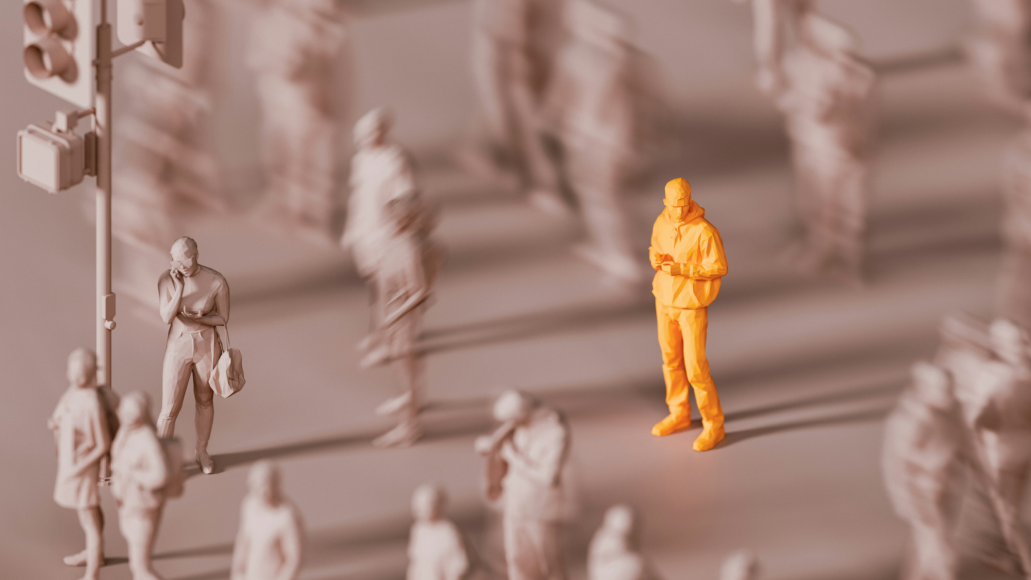
So, why does this matter?
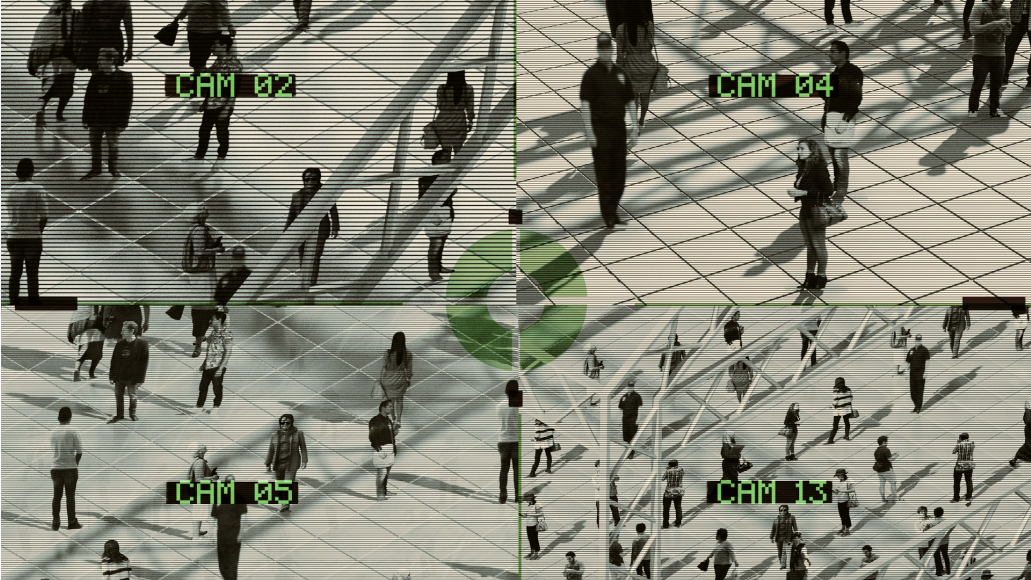
Because as AI becomes more integrated into our lives, from loan approvals to criminal sentencing, it can either exacerbate or mitigate societal biases. Unchecked bias can lead to social and economic disparities, erode trust in AI systems, and hinder their adoption. To create a more equitable future, we must raise awareness, understand the consequences, and actively develop AI that is fair, transparent, and accountable. By doing so, we can harness AI’s potential to build a world that’s inclusive and unbiased.